
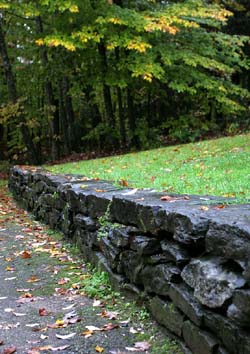
 Retaining walls for residential purposes are generally built to hold back soil, stabilize a slope, and / or create more useful and attractive areas at different elevations. Sometimes they are absolutely necessary to prevent soil erosion and loss of value of the residential lot. Frequently residential retaining walls are built to create attractive terraces for landscaping, walkways, stairs, and gathering areas. A “sunken” theater or open air amphitheater is popular in many cities and communities and they utilize retaining walls in their construction.
The most common purpose for the construction of a retaining wall is to control water flow, allow foundation drainage, and prevent soil erosion. Before a retaining wall is built there must be a land survey and a design / plan or it may create unexpected problems for the homeowner and / or his neighbors. A well planned retaining wall will assure that water flow and drainage from your property does not negatively affect your home or your neighbors’ homes. In addition, the retaining wall itself must be properly drained to reduce or eliminate any excessive hydrostatic pressure from the weight of the soil and water behind the wall.
Types of Retaining Walls
Retaining walls can be very simple and utilitarian structures. A relatively small, straight concrete retaining or landscaping wall can be built fairly easily and quickly at a modest price. However, most homeowners prefer to an element of elegance to their retaining wall by using different materials and designs. These walls can be built from poured concrete, concrete landscaping blocks, natural stone, small boulders or similar materials. In addition, homeowners also wish to incorporate some form of landscaping with their new retaining walls.
Common Types of Retaining Walls and their Purpose
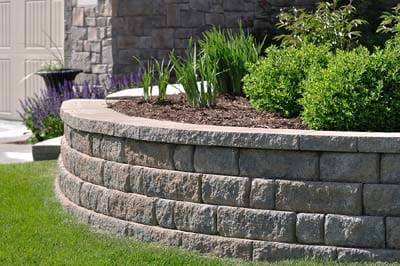 Landscaping + Soil Retention
Landscaping with Swimming Pool
Landscaping with outdoor Deck
Gardens
Terraces
Patio and Entertainment area
Walkways and Steps
Backyard Pond and/or Waterfall
Do You Need a Retaining Wall ? Or just Want One ?
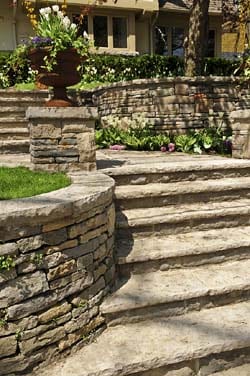 It is important to have experienced professionals who can evaluate and analyze the slope, drainage, and need for a retaining wall on your property. Many times the homeowner does not need a retaining wall but wants a low wall for aesthetic landscaping or an entertainment area. If the retaining wall is above four feet then many cities or communities will require a building permit and compliance with all ordinances.
Some areas, such as San Antonio and Austin, tend to be more hilly and often have a greater need for residential retaining walls because of soil erosion problems. Other areas, such as Houston and Dallas, tend to be flat but their need is to divert large volumes of rainwater away from the home to prevent flooding, excess soil saturation, and foundation damage. There are numerous materials and designs that are available to homeowners.